
Whether you are watching a classic film where the protagonist deep in thought gently swirls a snifter, or browsing an upscale restaurant’s wine list featuring rare vintages worth thousands, you have undoubtedly heard of Brandy.
For many Hong Kong professionals looking to elevate their lifestyle, or spirits enthusiasts who have already explored the worlds of whisky and wine and want to expand their palate, brandy has always carried a veil of mystery, nobility, and sophistication.
What exactly is this golden liquid, historically hailed as the “Water of Life” (Eau de Vie)? How does it differ from whisky? And what do abbreviations like VSOP and XO on the bottle actually mean? In just five minutes, this article will guide you effortlessly into the elegant world of brandy.
What is Brandy? “Distilled Wine” and its Romantic Origin
To understand brandy, the simplest explanation is this: It is a spirit produced by fermenting grapes (or other fruits) into wine, which is then distilled.
The word “brandy” originates from the Dutch word Brandewijn, meaning “burnt wine.” In the 16th and 17th centuries, Dutch merchants wanted to transport French wine back to their homeland by sea. To save cargo space and evade taxes, they came up with a clever solution: distill the wine to remove water and concentrate the alcohol, planning to dilute it back with water once they arrived.
However, they never anticipated that during the voyage, these clear, distilled spirits would undergo a magical chemical reaction with the oak casks!
When the barrels were opened at their destination, the once-colorless liquid had transformed into a stunning amber-gold elixir, bursting with captivating woody and vanilla aromas. Thus, this refined spirit—which tasted extraordinary without being diluted—was born onto the world stage.
> Note: While “brandy” typically refers to grape brandy by default, any spirit made from distilled fermented fruit juice qualifies. For instance, brandy made from apples is called Calvados, and that made from cherries is known as Kirsch.
At a Glance: How Do Brandy, Whisky, and Wine Differ?
Many beginners confuse brandy with whisky at a bar or specialty liquor store because both boast a premium amber hue in the glass and share an alcohol by volume (ABV) of around 40%.
The easiest way to tell them apart is by their raw ingredients: Whisky is the maturation of grains (such as barley, wheat, and corn), whereas brandy is the essence of fruits (primarily grapes).
| Brandy | Whisky | Wine | |
| Primary Ingredient | Grapes or other fruits | Grains (Barley, wheat, corn, etc.) | Grapes |
| Production Process | Fermentation → Distillation → Cask Aging | Fermentation → Distillation → Cask Aging | Fermentation → Bottling (No distillation) |
| ABV (Alcohol by Volume) | Around 40% to 43% | Around 40% to 60% | Around 12% to 15% |
| Flavor Profile | Rich fruit, floral notes, silky and sweet | Smoke, peat, malt, oaky notes | Tannins, acidity, fresh fruit aromas |
Simply put, brandy is like a “distilled, high-proof, and oak-aged version of wine.” If you love the complexity that wooden casks bring to whisky, yet find yourself captivated by the elegant floral and fruity aromas of wine, brandy will undoubtedly win you over.
① Terroir Defines Value: The Two Crown Jewels of Brandy
Just as “only sparkling wine produced in the Champagne region of France can be called Champagne,” the world of brandy enforces strict Appellation d’Origine Contrôlée (AOC) protections. The finest brandies in the world come primarily from two French regions:
② Cognac: The Elegant Aristocrat of Brandy
This is by far the most famous type of brandy. By French law, a spirit can only bear the name “Cognac” if it is produced in the Cognac region just north of Bordeaux, crafted primarily from specific grape varieties (mostly Ugni Blanc), double-distilled in traditional Charentais copper alembic stills, and aged in French oak casks for at least two years.
Cognac is celebrated for its refined, elegant, and intensely floral and fruity style. The “Big Four” Cognac houses that dominate the market are Hennessy, Martell, Rémy Martin, and Courvoisier.
③ Armagnac: The Rustic, Time-Honored Rebel
If you want to show you are a true connoisseur who knows the hidden gems, you need to know Armagnac.
Located south of Cognac, Armagnac is France’s oldest spirit-producing region—predating Cognac by two centuries! Unlike Cognac, Armagnac is mostly single-distilled using a continuous still, which retains more of the grapes’ original flavors and congeners.
Consequently, Armagnac has a bolder, more robust, and rustic palate, featuring rich notes of dried fruits, spices, and even toffee, leather, and smoke. If Cognac is an elegant French gentleman, Armagnac is a charismatic woodsman with profound depth.
Cracking the Bottle Code: What Do VS, VSOP, and XO Mean?
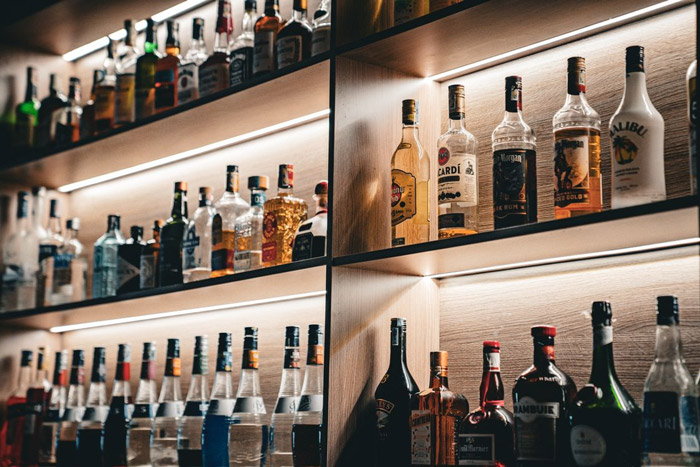
When browsing the rows of brandy at a bar, you will notice prominent letters on the bottles. These are not random model names; they indicate the age of the youngest eau-de-vie (spirit) in the blend.
According to the latest standards updated by the Bureau National Interprofessionnel du Cognac (BNIC):
VS (Very Special): The youngest eau-de-vie in the blend has been aged in oak casks for at least 2 years. The flavor profile is usually vibrant, featuring bright, fresh fruit notes and a more noticeable alcohol punch. It is excellent for cocktails or serving over ice.
VSOP (Very Superior Old Pale): The youngest eau-de-vie has been aged for at least 4 years. At this stage, the spirit begins to show excellent balance, where the fruitiness harmonizes beautifully with the woody notes. It represents the best price-to-performance ratio (CP value) for beginners.
XO (Extra Old): The youngest eau-de-vie has been aged for at least 10 years (raised from 6 years in 2018). To craft an XO, master blenders typically introduce spirits aged for 20, 30, or even more years. It offers an incredibly silky texture with layers of chocolate, cinnamon, dried fruits, and oak that linger long on the palate. This tier is reserved for premium gifting and serious collecting.
> A Pro-Tip on Aging: Many consumers mistakenly view VS or VSOP as inferior. In reality, a youthful VSOP possesses an unparalleled freshness and floral lift. Crafting a refreshing Brandy Highball with a VSOP on a hot summer day can be far more enjoyable and appropriate than sipping an expensive XO. Knowing how to choose your grade based on the “occasion” and “mood” is the mark of a true lifestyle connoisseur.
Elevate the Ritual: How to Taste Brandy Like an Expert
Now that you have acquired a fine bottle, do not just down it like a beer (Yam Seng); that would be a waste of a masterpiece. Tasting brandy is a sensory feast for the eyes, nose, and palate. Follow these three steps to bring a sense of ritual to your glass:
The Look (Appearance): Pour the brandy into a tulip glass or a traditional balloon snifter. Hold the glass up to the light to admire its deep amber, golden, or rich bronze hue. Generally, a darker color indicates a longer slumber in the oak barrel. Gently swirl the glass and observe the “legs” or “tears” sliding down the inside of the glass—the slower they run, the richer the spirit’s texture.
The Nose (Aroma): Do not dive nose-first into the glass; the 40% ABV will temporarily numb your sense of smell. Instead, hold the glass at chest or chin level first, allowing the top notes of floral and fruity aromas to drift naturally into your nose. Then, gradually bring the glass closer to discover deeper, mature aromas of vanilla, coconut, roasted nuts, or dark chocolate.
The Taste (Palate): Take a small sip first, letting the liquid coat your entire tongue and palate to awaken your taste buds. You will experience brandy’s signature velvety texture—a warmth that is rich without being harsh. Swallow, close your eyes, and savor the long, evolving finish rising from the back of your throat.
Conclusion: Find Your Own Water of Life
Brandy is never just a cold, calculated bottle of alcohol; it is a liquid poem woven together by time, sunshine, grapes, and oak. From its origins as a practical solution for shipping logistics to its status today as a world-class premium spirit, it embodies centuries of French craftsmanship and romance.
The next time you are looking for a bottle to showcase your taste, reward yourself after a long week, or share with someone special, turn your gaze to brandy. Start with an accessible yet sophisticated VSOP, and let the rising aromas initiate your personal journey of French flavors.
