
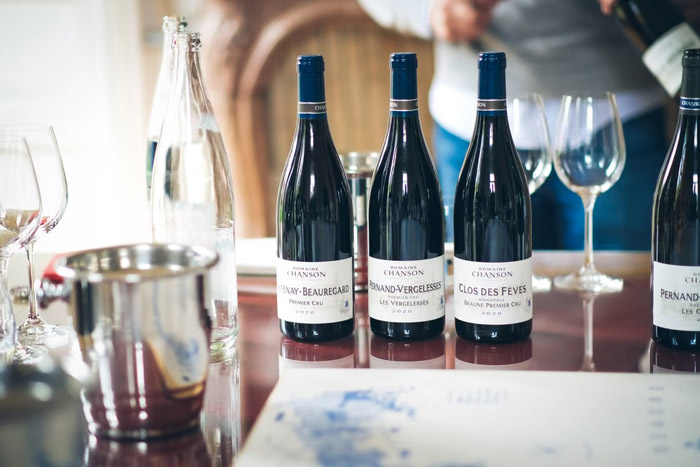
When it comes to red wine, many people’s first impression is often one of rich intensity, deep color, firm tannins, and even a heavy, full-bodied mouthfeel. However, in the world of wine, there exists a group of graceful, elegant “fairies”—the thin-skinned grape wines.
Unlike thick-skinned, deeply colored varieties such as Cabernet Sauvignon or Syrah, thin-skinned grapes have delicate and fragile skins. It is precisely this light, thin layer that creates their translucent, gem-like colors, vibrant and exuberant fruit aromas, refined tannins, and delightful acidity. Whether you are a newcomer to the wine world or a seasoned connoisseur pursuing complexity and elegance, thin-skinned wines offer a refreshingly different tasting experience.
What Are Thin-Skinned Wines? Starting with the Secret Beneath the Skin
To understand the charm of thin-skinned wines, we must return to the grape berry itself. A wine’s color, tannins (the source of astringency), and the majority of its antioxidants primarily originate from the grape skin.
When a grape variety possesses thinner skin, less pigment and tannin are extracted during the winemaking process. Consequently, thin-skinned wines typically feature the following distinct characteristics:
Gem-like Translucency: The wine displays a clear ruby, garnet, or cherry red hue with exceptionally high transparency, dancing with vibrant liveliness in the glass.
Soft and Refined Tannins: Lower in tannin content with a silky texture, these wines do not leave a harsh drying sensation, making them remarkably smooth on the palate.
High-Quality Acidity and Vibrant Fruit: Unmasked by heavy tannins, fresh red fruit aromas such as red berries, cherries, and raspberries—alongside subtle minerality—shine through brilliantly, complemented by well-balanced acidity.
Because of their thin skins, these grape varieties are often extremely demanding of their growing environment. They are vulnerable to sunburn, frost, and fungal diseases (such as grey rot), making them the delicate “precious blossoms” of the wine world that require meticulous care.
Four Classic Thin-Skinned Grape Varieties: Flavor Maps and Style Profiles
When discussing thin-skinned grapes, four iconic varieties are absolute must-knows. Under different terroirs, each renders a unique and captivating expression.
Pinot Noir: The Ultimate Interpreter of Terroir
Pinot Noir is undoubtedly the undisputed king of the thin-skinned wine world. Its skin is exceptionally thin, making it ultra-sensitive to climate and soil nuances; hence, it is celebrated as the variety that best articulates terroir.
Flavor Profile: Classic fresh red cherries, raspberries, and strawberries that evolve with age into complex aromas of forest floor, wild mushrooms, truffles, and leather.
Representative Regions: Burgundy (Bourgogne), France, is its spiritual soul. Top-tier Pinot Noir is also produced in Central Otago (New Zealand), the Willamette Valley (Oregon, USA), and Germany (where it is known as Spätburgunder).
Gamay: The Synonym for Joy and Approachability
If you find Pinot Noir a bit too serious or pricey, Gamay is an approachable and charming alternative. Gamay grapes also feature light, thin skins and are renowned for their high acidity and burst of fruitiness.
Flavor Profile: Bursting with notes of banana, bubblegum, redcurrant, and violet. It is light and lively on the palate with almost no unpleasant astringency.
Representative Regions: Beaujolais, France. Beyond the famous Beaujolais Nouveau, the region’s Cru Beaujolais (such as Moulin-à-Vent and Morgon) showcase Gamay wines with remarkable depth and structure.
Grenache / Garnacha: The Sweet Fairy of Warm Sunshine
Although Grenache can produce wines with higher alcohol levels in warm climates, its skin remains thin to medium, resulting in lighter pigmentation and moderate tannins.
Flavor Profile: Candied strawberries, dark cherries, white pepper, and Mediterranean herbs (garrigue). The palate is round and sweet with balanced, medium acidity.
Representative Regions: Southern Rhône Valley in France (e.g., Châteauneuf-du-Pape) and Garnacha from Spain (e.g., Priorat and Sierra de Gredos).
Nebbiolo: Iron Will Hidden Beneath a Thin Skin
Nebbiolo is a highly special exception. While its skin is thin and the wine’s color is relatively pale (often with brick-red rims), it possesses surprisingly high tannins and high acidity—making it an anomaly among thin-skinned grapes with formidable structure and aging potential.
Flavor Profile: Classic aromas of rose petals, tar, red cherry, liquorice, and truffles, featuring powerful tannins balanced by an elegant structure.
Representative Regions: Barolo and Barbaresco in Piedmont, Italy.
Breaking Tradition: A Fresh Perspective on Food Pairing and Serving
When pairing red wine with food, many habituate themselves to the golden rule of “red wine with red meat, white wine with white meat.” However, the emergence of thin-skinned wines completely breaks this traditional framework.
Thanks to their low tannins, high acidity, and fruit-forward nature, thin-skinned red wines offer far greater versatility in food pairing than one might imagine:
Effortlessly Pairing with Poultry and Delicatessen: The acidity in Pinot Noir and Gamay perfectly cuts through richness. Whether it is French roasted duck breast, pan-seared chicken thighs, Taiwanese roast goose, or crispy roasted pork, thin-skinned red wines highlight the natural flavors of the meat while lifting the dish overall.
Crossover Pairings with Seafood and Japanese Cuisine: Heavy red wines can react with the iron in seafood due to high tannins, creating an unpleasant metallic aftertaste. Thin-skinned wines—especially slightly chilled Pinot Noir or Gamay—have minimal tannins and pair harmoniously with salmon steaks, unagi (broiled eel), or even soy-sauce-seasoned nigiri sushi.
The Best Companion for Asian Flavors and Spices: Grenache with its subtle peppery notes, or Gamay with its vibrant acidity, balances sweet, spicy, or complexly spiced Asian dishes exceptionally well—such as Thai Pad Kra Pao (basil pork), Taiwanese braised pork rice (Lu Rou Fan), or Indonesian satay.
Serving Tip (Chilling Red Wine):
The vast majority of thin-skinned red wines perform significantly better when slightly chilled (around 12°C–14°C / 54°F–57°F). A slightly cooler temperature tightens the fruit aromas and sharpens the acidity, making them ideal for summer days or casual gatherings.
How to Choose Your First Bottle of Thin-Skinned Wine
Faced with a dizzying selection on the wine rack, how can beginners make an accurate choice? You can select according to your flavor preferences:
For Ultimate Elegance and Complexity: Choose a Village-level Burgundy Pinot Noir or an Oregon Pinot Noir.
For Easy-Drinking and Great Value: Choose a Cru Beaujolais or a New Zealand Pinot Noir.
For Ripe Fruitiness and Warmth: Choose a Spanish Garnacha from Sierra de Gredos.
For Powerful Structure and Aging Potential: Choose an Italian Barolo or Barbaresco.
Conclusion: Elegance is Power
Thin-skinned wines demonstrate that high intensity and boldness are not the sole benchmarks of great wine. With a gentle stance, they express the finest nuances of terroir and the authentic breath of the climate.
The next time you wish to enjoy a glass of wine that is refreshing, approachable, and beautifully layered, reach for a thin-skinned wine. As the light liquid glides down, savor that pure and elegant symphony on your palate.
