
Have you ever had a tasting experience like this? You pour a glass of deep red wine, swirl it gently, and instead of bright strawberry or dark cherry fruitiness, your nose meets a warm wave of cedar, freshly toasted bread, or even subtle hints of vanilla ice cream and sweet coconut.
Many wine beginners lump these aromas together as a generic “woody taste,” sometimes even complaining that “the wood is too heavy and blocks the fruit.” In the wine world, however, these oaky notes are far from a simple taste of raw timber. They represent a flavor miracle, meticulously crafted by winemakers through oak barrel aging.
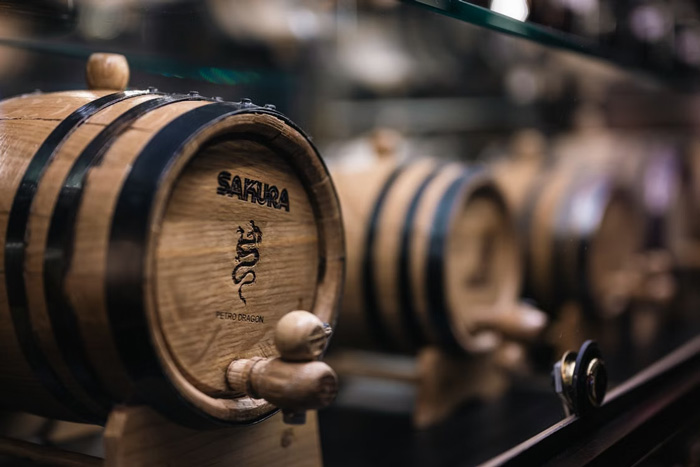
An oak barrel is more than just a vessel; it serves as a crucial bridge transforming wine from raw, youthful fruitiness into mature complexity. This article dives deep into the true origin of wood aromas, the subtle differences between French and American oak, and how to assess the quality of oak notes in your glass.
Where Does the “Woody Taste” Come From? Breaking Down Oak-Aged Aromas
When we mention “oak aromas,” many picture dry, dusty notes like an old bookshelf or firewood. In reality, the flavor spectrum oak imparts is far richer than you might imagine. These aromas emerge from the interplay of three core mechanisms:
Natural Compounds in the Wood: Oak naturally contains lactones and tannins that contribute creamy, coconut, and woody structural elements.
Thermal Reactions from Toasting: Coopers heat the wood with fire to bend the staves. This process breaks down cellulose and lignin into vanillin, eugenol, and guaiacol, releasing notes of vanilla, smoke, caramel, and warm spices.
Micro-oxygenation: Oak barrels feature microscopic pores that allow tiny amounts of oxygen to seep in slowly. This softens harsh tannins into a velvety smooth mouthfeel while accelerating the evolution of aged aromas.
Common Oak Aroma Profiles
| Aroma Category | Specific Flavor Expressions | Primary Source / Mechanism |
|---|---|---|
| Sweet Pastry | Vanilla, coconut, caramel, pudding, butter | Oak lactones, vanillin |
| Toasted Nut | Fresh toast, coffee, dark chocolate, roasted hazelnut | Thermal degradation of lignin |
| Warm Spice | Clove, nutmeg, cinnamon, tobacco, cigar box | Eugenol & micro-oxygenation |
| Smoky & Wood | Firewood, leather, old wood cabinet, cedar | Heavy toast & aging over time |
French Oak vs. American Oak: Elegance and Subtlety vs. Bold Sweetness
When winemakers craft an oak-aged profile, their choice of oak species sets the foundation. The two main players on the market are French oak and American oak.
French Oak
French oak has a tight grain, releasing lignin slowly to impart a subtle, refined elegance. It yields delicate spice notes like clove and cinnamon alongside hints of cedar and gentle smoke. Highly balanced, it rarely overwhelms the grape’s native terroir.
American Oak
American oak features a wider grain and higher concentrations of oak lactones. This rapidly infuses the wine with vibrant aromas of vanilla ice cream, sweet coconut, coconut candy, and brioche. Its bold, exuberant personality makes it ideal for full-bodied, fruit-forward wines.
Beyond French and American oak, Slavonian and Hungarian oak have gained popularity. Slavonian oak is often used in large Italian casks (botti), offering a gentle touch that respects pure fruit flavor. Hungarian oak lands right between French and American oak, delivering excellent value for money.
The Impact of Toast Levels: Light, Medium, and Heavy Toast
During assembly, the cooper uses fire to shape the staves. This “toasting” process directly dictates the aroma profile:
Light Toast: Preserves the natural character of the wood, introducing light timber, raw almond, and subtle floral notes with pronounced tannin structure.
Medium Toast: The most popular choice. It releases a well-rounded mix of vanilla, caramel, toast, and hazelnut aromas with a smooth palate.
Heavy Toast: Highly carbonized wood that yields intense espresso, dark chocolate, campfire smoke, and cigar box qualities—perfect for robust, heavyweight red wines.
The Hidden Effect of Barrel Age and Size
A new oak barrel acts like a freshly steeped cup of tea—intense, expressive, and bold. A used barrel (neutral oak, used two or three times) releases significantly fewer direct flavors, functioning primarily as a vessel for micro-oxygenation. Furthermore, smaller 225-liter barrels (barriques) place more liquid in direct contact with the wood, imparting far more prominent oak notes than multi-thousand-liter casks.
Assessing Quality: Integration and Balance Are the Ultimate Standards
Beginners often ask: “How can I tell good wood aromas from bad? Why do oak notes in some wines taste heavenly, while others feel like drinking bitter bark water?”
The key lies not in the intensity of the wood aroma, but in its integration and balance.
Hallmarks of High-Quality Oak Aromas
Harmonious Coexistence: The wood acts as a stage that elevates the fruit profile. You can smell vanilla and caramel while still clearly perceiving fresh blackberry or peach.
Layered Evolution: As the wine breathes, the bouquet shifts naturally from toasted buttered bread to nuanced layers of cedar, tobacco, and cocoa.
Seamless Texture: Oak tannins melt into the wine’s core structure, offering a smooth finish with a lingering, sweet-tinged aftertaste.
Signs of Over-Oaked Wine
Masked Fruit: The nose is dominated by harsh smoke or sickly sweet vanilla extract, leaving no room for natural fruit aromas.
Hollow Mid-Palate & Bitter Finish: The wine starts with strong oak flavor on entry, but drops off in the middle, leaving a dry, astringent, and bitter bark-like finish. This often signals an attempt to mask lower-quality grapes with heavy oak.
Which Wines Suit Oak Aging? Varieties and Styles Explained
Not every wine is built for a romance with oak. Delicate, aromatic varieties like German Riesling or New Zealand Sauvignon Blanc will lose their crisp green apple and floral charm if placed in new oak.
Classic Varieties That Excel in Oak
1. Chardonnay (Barrel Fermentation & Aging)
As the king of white grapes, Chardonnay possesses immense flavor versatility. Through barrel fermentation and malolactic fermentation (MLF), it develops irresistible notes of hazelnut, toast, rich butter, and vanilla (as seen in French Côte d’Or or California Chardonnay).
2. Cabernet Sauvignon
With its full body, high tannins, and intense dark fruit (blackcurrant, black cherry), Cabernet Sauvignon naturally craves the structural backing of new oak. Whether it’s the refined cedar of French oak in Bordeaux’s Left Bank or the vanilla-tobacco richness of American oak in Napa Valley, it forms a classic pairing.
3. Tempranillo
The soul of Spain’s Rioja region. Traditional Rioja relies heavily on extended American oak aging, giving rise to signature notes of vanilla, leather, coconut, and dried fruit with a warm, velvety texture.
4. Merlot & Syrah / Shiraz
Merlot’s plum and blackberry fruit melds with oak to reveal inviting dark chocolate and mocha notes. Syrah (Shiraz) leverages oak to highlight wilder accents of black pepper, smoked jerky, and cedar.
Practical Tasting Tips: How to Identify and Describe These Aromas
Next time you open an oak-aged wine, try these three tasting steps to capture and describe its woody accents:
Observe and First Nose (Still): Pour the glass one-third full without swirling. Bring your nose to the rim to capture volatile, sweet top notes like French oak vanilla or American oak coconut.
Swirl and Deep Breath: Gently swirl the glass clockwise to aerate the wine. Take another smell, looking for freshly toasted bread, hazelnut, caramel, or campfire smoke.
Palate and Integration: Take a small sip and let the wine coat your tongue. Is the texture buttery smooth, or dry like withered wood? Does the finish carry sweet hints of spice and dark chocolate?
Casual Tasting Vocabulary (Sound Like a Local Pro):
American Oak: “This wine has delightful notes of vanilla ice cream and caramel pudding.”
French Oak: “Very elegant—lots of freshly baked, lightly toasted bread and old-study cedarwood.”
Aged Wine: “Rich finish with notes of cigar box, leather, and dark chocolate.”
Quick Food Pairing Guide
Red wines with distinct oak aromas pair brilliantly with roasted steak, smoked ribs, or aged cheeses, as the woody smoky notes mirror the charred crust of grilled meats. Oak-aged, full-bodied Chardonnays make an incredible match for butter-poached lobster, roast chicken, or rich crab dishes.
Beginner’s Buyer Guide for Oak-Aged Wines
If you want to experience the magic of oak firsthand, start with these three classic styles and regions:
Style 1: Bold Vanilla & Coconut (American Oak Showcase)
Recommendation: Spanish Rioja Reserva or Gran Reserva.
Profile: Classic American oak aging—smooth and approachable with signature vanilla, coconut candy, and leather notes.
Style 2: Rich Butter & Toast Whites (White Oak Showcase)
Recommendation: Oak-aged Chardonnay from Monterey or Napa Valley, California.
Profile: Golden color with a creamy texture reminiscent of vanilla ice cream, packed with popcorn, butter, and hazelnut.
Style 3: Refined Cedar & Spice Complexity (French Oak Showcase)
Recommendation: French Bordeaux Médoc reds or New Zealand Hawke’s Bay Bordeaux blends.
Profile: A strong blackcurrant fruit core interwoven with sophisticated dark chocolate, cedar, and subtle woodsmoke over an elegant, age-worthy structure.
Conclusion: Start Your Oak Tasting Journey
Wood aromas in wine are far more than a simple “woody taste”—they are an artistic synthesis of nature’s harvest and human craftsmanship. From selecting the oak species and controlling the cooper’s fire to the quiet years spent in underground cellars, every drop tells a story of time and artistry.
The next time you catch a whiff of vanilla, toast, or cedar in your glass, pause for a moment. Take your time to enjoy how fruit and wood intertwine, and discover your own unique tasting pleasure!
