
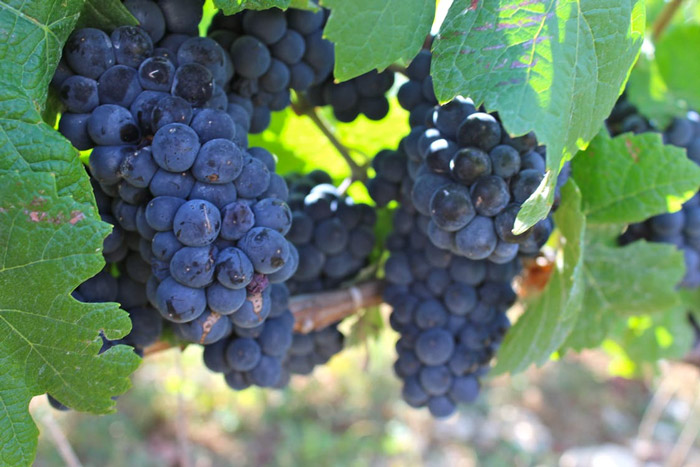
Pinot Noir is a grape variety that evokes both admiration and frustration among winemakers worldwide. Its delicacy, sensitivity, and elegance grant it a unique place in the world of wine. What is even more astonishing is that this quintessential red grape can also produce white wine. How does this seemingly ordinary red grape defy conventions to yield a clear, golden-white wine?
Pinot Noir: A Fragile Yet Noble Red Grape
If there were a competition for the world’s most challenging grape variety, Pinot Noir would undoubtedly rank at the top. This grape is like a delicate princess—its skin is as thin as a cicada’s wing and highly susceptible to disease. It adapts poorly to climate variations and is extremely sensitive to soil conditions, easily “acting out” when conditions are less than ideal.
Thus, many winemakers describe it as a “high-maintenance, high-reward” grape. Although it demands significant time and effort, when the right winemaking conditions align, it yields exceptional wines:
Thin Skins, Elegant Style
Pinot Noir’s skins are remarkably thin, resulting in finer tannins compared to many other red grapes. This gives the wine a “light yet not thin” profile. As the wine glides across the palate, the nose and mouth are filled with the bright, sweet notes of red cherries, the fragrance of strawberries, and the tangy zest of raspberries, immersing one in a vibrant bouquet of red fruit aromas.
Terroir Sensitivity, A Thousand Expressions
Pinot Noir can be described as a “bare revealer of terroir.” Slight changes in soil composition, sunlight exposure, or temperature are immediately reflected in the wine’s style. As a result, Pinot Noirs from different regions can vary dramatically.
Fragility Breeding Romantic Adventure
Because Pinot Noir is so delicate, winemakers willingly invest immense time and care to nurture this sensitive grape. When conditions align perfectly, Pinot Noir produces wines of exceptional elegance, depth, and complexity—like a “ballet dancer among red wines,” gracefully performing its own romantic legend in the glass.
Is Pinot Noir Wine Enjoyable? The World’s Most Captivating Wine
When asked, “Which grape produces the world’s most captivating red wine?” Pinot Noir almost always makes the list. However, this seemingly simple answer requires a nuanced exploration from multiple angles:
Elegant and Subtle Aromas, a Light Luxury in Red Wine
The aromas of Pinot Noir are not as bold and intense as Cabernet Sauvignon but are instead refined and delicate, like layers of silk gently teasing the senses. At first, there are fresh fruity notes of red cherries and raspberries. Over time, complex aromas emerge—the mystery of truffles, the freshness of damp leaves, the romance of rose petals, and the richness of spices—inviting one to explore its secrets with each sip.
Light-Bodied Yet Endlessly Memorable
For many beginners, Pinot Noir is an excellent introduction to red wine. Its light body avoids overwhelming the palate, with soft tannins making it highly approachable. For seasoned wine enthusiasts, its nuanced layers and elegant structure offer profound depth, leaving a lasting impression. Every sip of Pinot Noir is like savoring a delicate, enduring story.
Versatile Pairing, a Star at the Table
Pinot Noir’s “adaptability” and flexibility make it an ideal companion for almost any dish. Whether it’s the umami of stir-fried mushrooms, the richness of roasted chicken or duck, the tenderness of moderately oily fish like mackerel or salmon, the freshness of pasta, or the heartiness of stews, Pinot Noir harmonizes beautifully. This versatility makes it a favorite among sommeliers, adding an elegant touch to every meal.
In summary, Pinot Noir is not only enjoyable but also a wine that becomes more appreciated over time. Like a close friend, its charm deepens with every encounter.
Pinot Noir’s “Transformation Magic”: A Journey from Red to White and Rosé
Although Pinot Noir is a red grape, it can also produce enchanting white wines. This is not chemical magic but stems from the fact that Pinot Noir juice is actually clear, with color derived primarily from the skins.
In other words, by quickly and thoroughly separating the skins from the juice during winemaking—avoiding skin contact—red grapes can yield white wine. This method is known as “Blanc de Noirs” (white from black). Compared to classic white wines like Chardonnay, Pinot Noir blanc often exhibits red fruit notes, accompanied by hints of floral aromas, citrus freshness, and gentle minerality, resulting in a crisp and elegant style.
Beyond still white wines, Pinot Noir is also one of the three primary grape varieties permitted in Champagne production (alongside Chardonnay and Pinot Meunier). Champagne made from Pinot Noir shines with a golden hue yet carries red fruit aromas, offering a robust structure and full-bodied texture.
During Pinot Noir’s winemaking process, brief contact between the juice and skins can create romantic and captivating rosé wines. In fact, Pinot Noir holds significant importance in the world of rosé, particularly in regions like Provence and Champagne in France. Rosés made from Pinot Noir combine the vibrant fruitiness of red grape varieties with the romantic, elegant hue of rosé, making them perfect for special occasions.
In essence, Pinot Noir is like a magical wizard, effortlessly mastering white, rosé, and red wines—truly a “chameleon of the wine world.”
Choosing Pinot Noir Wine Regions: A Global Journey from Classics to New World
To truly understand Pinot Noir’s flavors, exploring the differences among global regions is essential. Let’s embark on a terroir journey to appreciate the unique charm of Pinot Noir from various areas.
Bourgogne, France: The Holy Land of Pinot Noir
If Pinot Noir were a religion, Bourgogne would be its cathedral. Here, Pinot Noir is regarded as the world’s purest, deepest, and most irreplicable expression:
Côte de Nuits: Home to iconic estates like Domaine de la Romanée-Conti (DRC), known for structure, depth, and aging potential.
Côte de Beaune: Softer and brighter, with delicate floral aromas and vibrant fruit notes.
Bourgogne Pinot Noirs often feature earthy notes, rose petals, red berries, and forest floor aromas, representing the ultimate pursuit for Pinot Noir enthusiasts.
California, USA: A Sun-Kissed Fruit Feast
California’s warmer climate compared to Bourgogne gives Pinot Noir a juicier, more inviting profile. Aromas of cherries, raspberries, and ripe strawberries dominate, with a rounded, rich palate and soft tannins, making it a favorite among beginners. Regions like Sonoma Coast and Santa Barbara are renowned for their high-quality Pinot Noirs.
Oregon, USA: America’s Bourgogne Spirit
The Willamette Valley in Oregon, with its cool climate, produces Pinot Noirs that are more elegant and reminiscent of Bourgogne’s classical style. These wines offer refreshing acidity, subtle aromas, and earthy, forest-like notes, appealing to lovers of “natural-style” Pinot Noir.
Central Otago, New Zealand: A Southern Hemisphere Rising Star
In the global Pinot Noir landscape, Central Otago has secured a prominent place. Its high sunlight exposure and cool night temperatures create wines with vibrant berry aromas, lively acidity, and clean mineral notes. This unique flavor profile has made it a frequent winner in international Pinot Noir competitions.
Germany: The Underdark Horse
In Germany, Pinot Noir is known as Spätburgunder. In the country’s cool climate, it presents delicate floral aromas, high acidity, and a light body, making it ideal for those who prefer an elegant style.
Why Is Pinot Noir So Captivating?
It possesses a rare combination of contradictory traits rarely found in a single grape: fragility yet strength, lightness yet depth, approachability yet complexity. Each glass of Pinot Noir is like a finely crafted story, requiring time to fully appreciate.
Even more delightfully, it excels not only in red wines but also transforms into white and rosé wines, showcasing unparalleled diversity. If you seek a wine that reflects the soul of the land, offers nuanced evolution, and rewards repeated tasting, Pinot Noir is undoubtedly worth a lifetime of exploration.
